Results may vary
Creative tips only
No professional advice
Negative space in photography composition: practical ways to bring clarity and focus to your images
Taylor Jensen
April 29, 2026
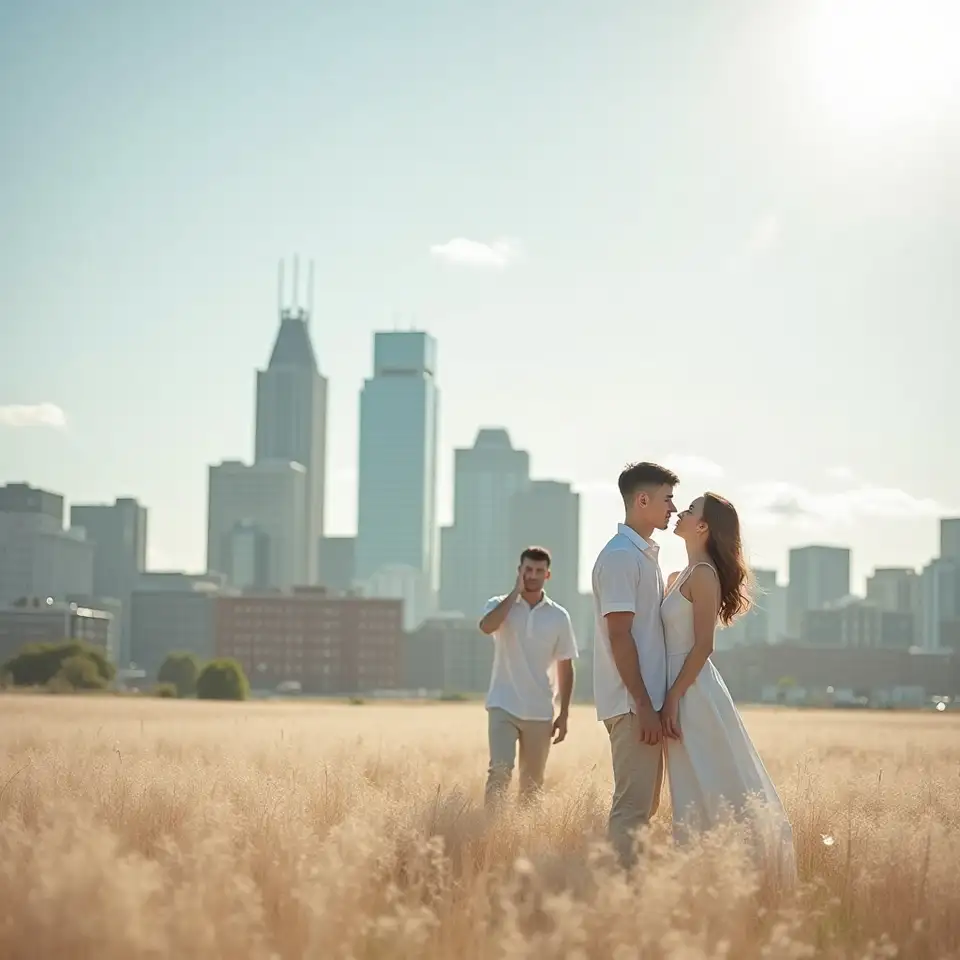
Negative space—the open area around your subject—can turn an ordinary photo into a powerful statement. This article explains the concept, explores why it’s effective for both portraits and landscapes, and offers exercises for putting it into practice. By using negative space, you can bring clarity and focus to your images, making them feel intentional and visually impactful.
Negative space might sound abstract, but it’s a tool every photographer can use to add impact and clarity to their images.
Defining negative space in photography
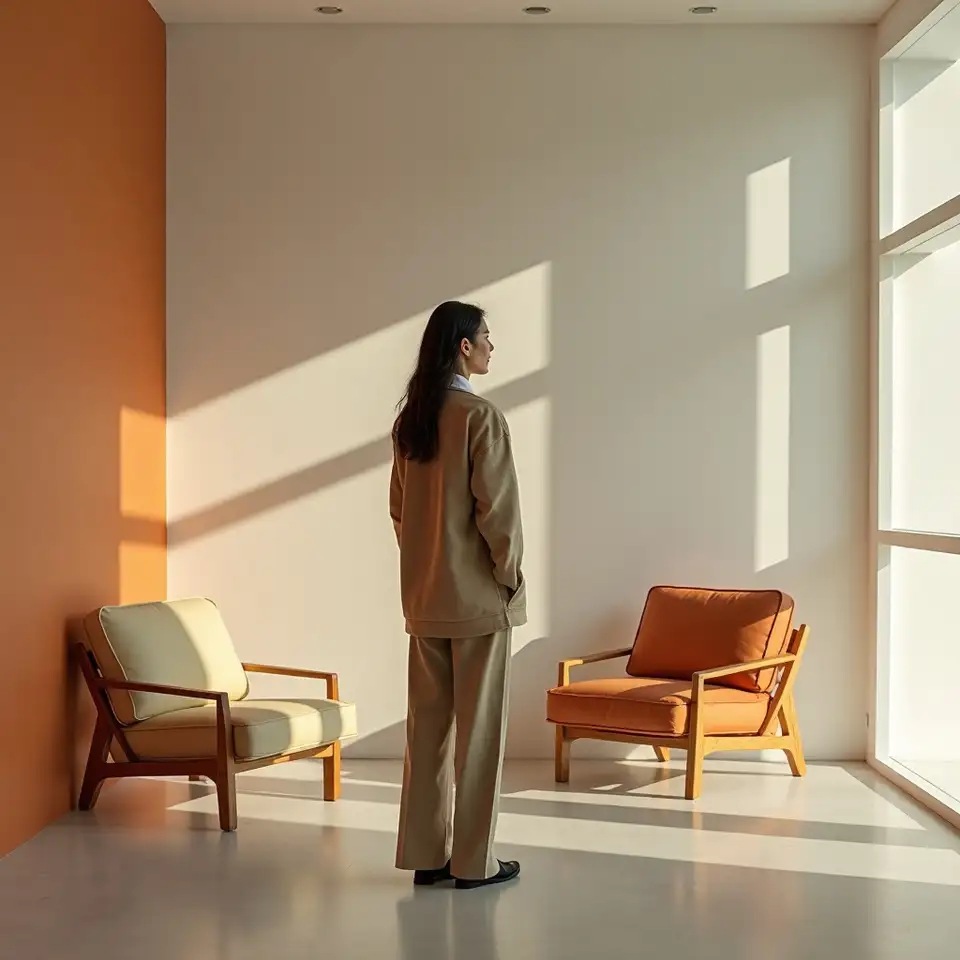
Let’s start with a clear definition. Negative space is the empty or open area around the subject of a photo. It’s what gives your main element room to breathe and draws attention to what matters. For me, it was a lightbulb moment to realize that what you leave out is just as important as what you include. It’s not simply about blank backgrounds—negative space can be sky, water, walls, or even shadows. The key is using these areas intentionally, not as an afterthought, to make your subject pop and your composition feel deliberate.

Why negative space matters
The struggle for many photographers comes from wanting to fill the frame with details. When I started out, I packed my images with interesting objects, thinking more was always better. But this often leads to cluttered, overwhelming photos where the subject gets lost. Using negative space helps solve this by simplifying the scene and focusing attention. Canadian portrait and landscape photographers often use broad skies, water, or empty fields to add calm and impact, making the subject stand out naturally.

Practical exercises for mastering negative space
To practice, pick a subject—a person, tree, or object—and try framing it with plenty of open space around. Experiment with camera angles and distances to see how the empty areas shift the mood. Minimalist compositions aren’t about removing everything interesting; they’re about giving your subject context and clarity. Look to Canadian photographer Edward Burtynsky for inspiration—his work often uses negative space to stunning effect, whether it’s an open landscape or an urban scene. Over time, you’ll see how this technique can give your photos more punch and purpose.