Photography skills
How the rule of thirds can transform your photography composition: practical steps and real-world examples
May 13, 2026
Taylor Jensen
@ @taylorj
🧵
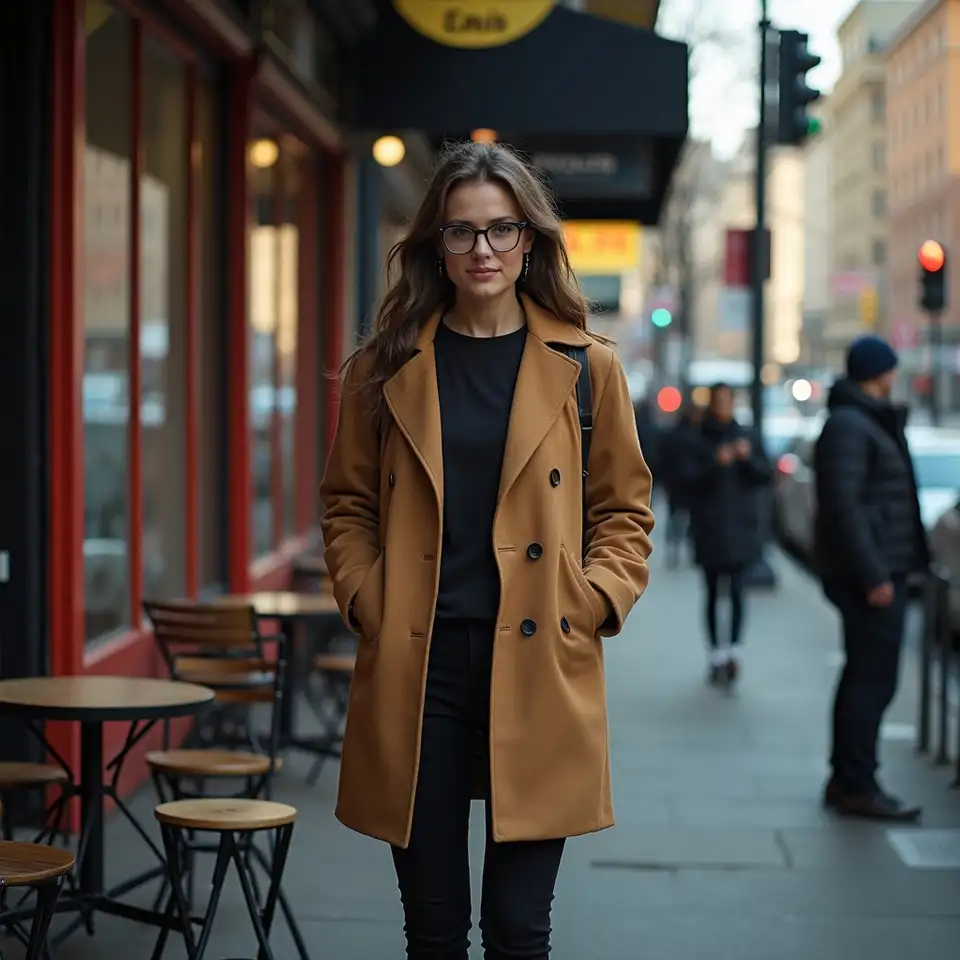
Let’s define the rule of thirds before anything else. The rule of thirds divides your image into nine equal rectangles using two horizontal and two vertical lines. Placing your main subject along these lines—or, even better, at their intersections—creates a pleasing sense of balance. It’s a way to avoid putting everything right in the center, which can sometimes make images feel flat. I remember the first time I lined up a person with one of these points; suddenly, the whole photo felt more alive.
2
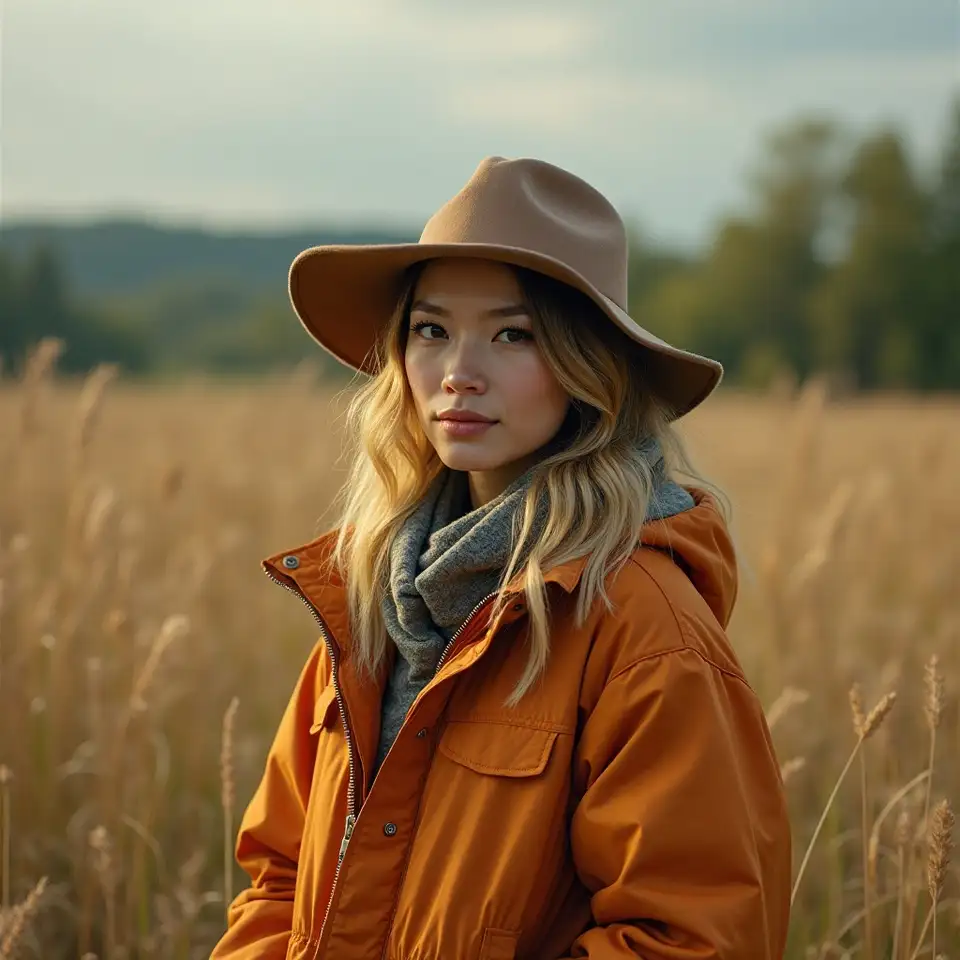
A common struggle is knowing where to place your subject, especially with busy backgrounds or wide-open spaces. I used to fill the frame without thinking, only to realize later that the scene lacked energy. The rule of thirds gives you a framework: try placing the horizon along one of the horizontal lines, or position a tree or building at an intersection. This simple shift can turn a snapshot into a story.
3
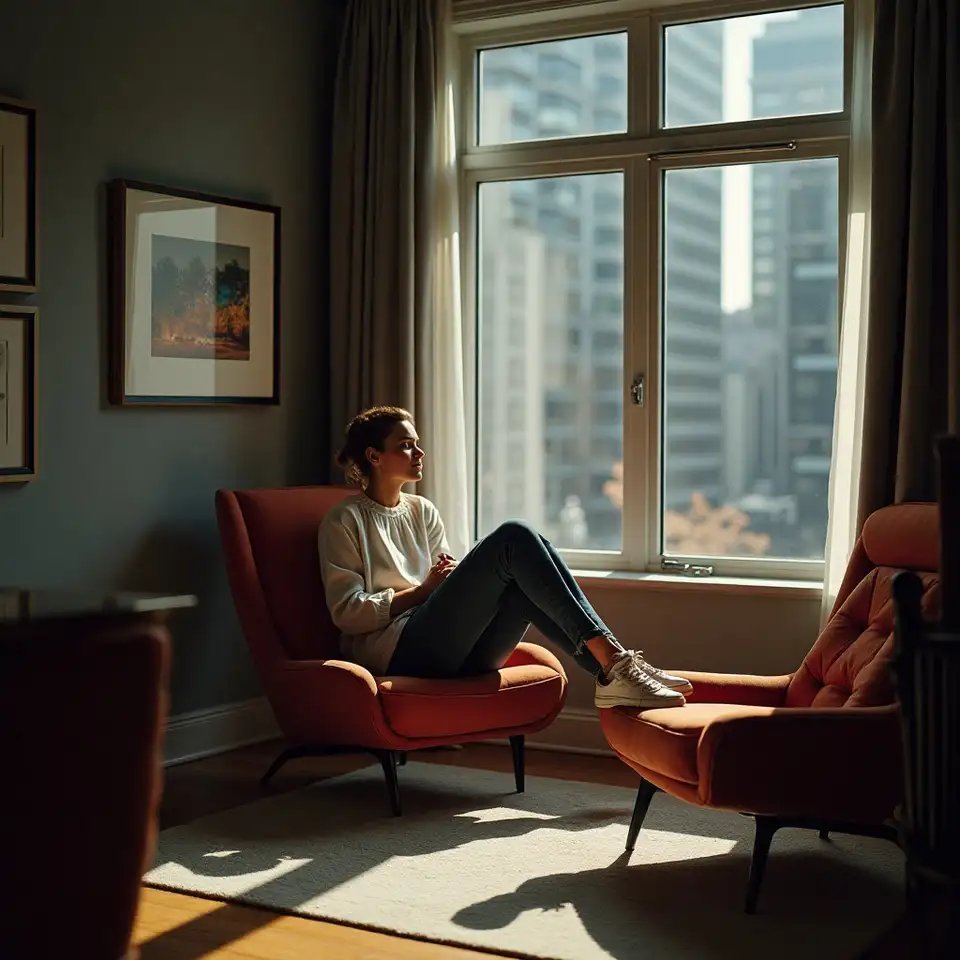
One pitfall is sticking to the rule so closely that you ignore what feels natural. Sometimes the best shot is slightly off the grid, especially in portraits where a person’s gaze or body language adds interest. Canadian portrait photographers like Kiana Hayeri suggest using the rule as a starting point, then adapting it to fit your subject’s mood and the story you want to tell.
4
To practice, turn on the grid overlay on your camera or phone. Compose a few shots with the main subject along a vertical line, and experiment with placing horizons or key features on the horizontal ones. Over time, you’ll start to see how this subtle shift adds intention to your framing. Many Canadian photographers use this approach to bring structure to everything from cityscapes to detail shots.

5
Remember, rules are meant to guide, not to limit. Use the rule of thirds as a tool for stronger composition, but trust your instincts and let the story you want to tell shape your choices. The grid is there to help, not to box you in. The more you use it, the more naturally it becomes part of how you see through the lens.
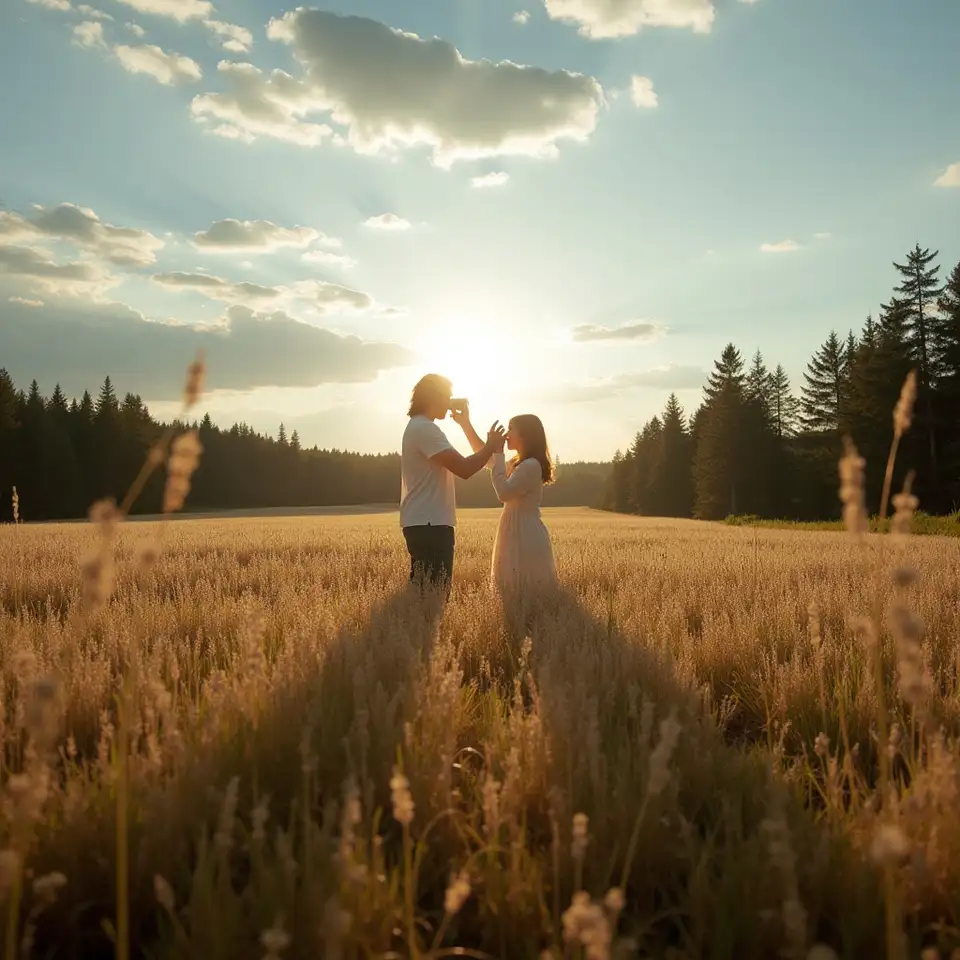
Using the rule of thirds helps bring structure and intention to your photos, whether you’re shooting sweeping Canadian vistas or a quiet street scene. Give it a try on your next outing and notice how even small adjustments can lead to more engaging compositions.