Results may vary
Creative tips only
No professional advice
Photography skills
How to use leading lines in your photography: a guide for building dynamic, intentional compositions
Contributor Taylor Jensen
April 22, 2026
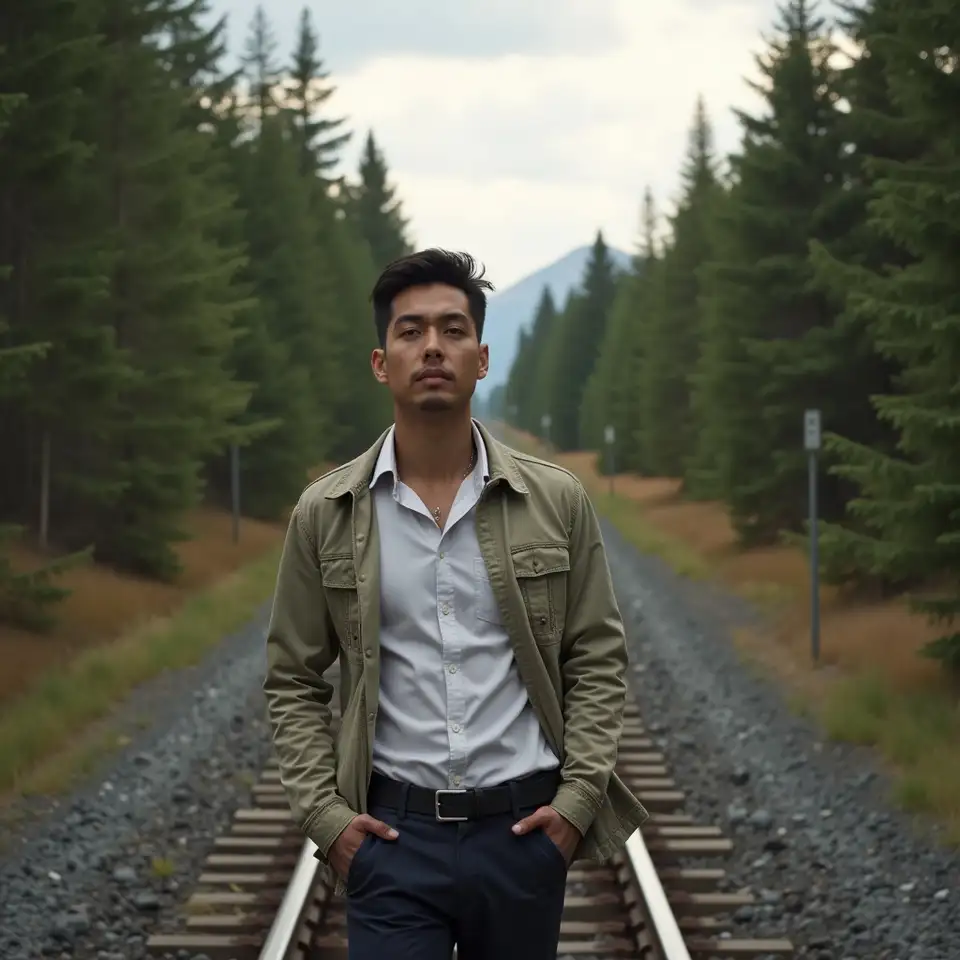
How leading lines shape the viewer’s journey
Let’s start by defining the term. Leading lines are visual elements—paths, edges, rails, or even light and shadow—that pull the eye through a photo. In practice, they’re the secret ingredient that connects foreground and background, helping your viewer travel across the image with purpose. I used to overlook these, focusing only on my main subject, but once I started noticing them, my compositions instantly felt more intentional.
Why leading lines matter
Leading lines are effective because they provide direction and context. When your viewer’s gaze follows a line, it’s like giving them a map to explore the story you want to tell. Sometimes, lines head straight toward your subject; other times, they create depth or suggest movement. In city scenes, think of sidewalks, fences, or shadows. Out in nature, look for rivers, tree branches, or trails.
Common pitfalls and how to avoid them
Many photographers worry about overusing lines, causing confusion or distraction. If lines compete for attention or lead away from the subject, your composition can lose focus. I’ve learned to ask myself: does this line enhance the message, or does it pull the eye somewhere unhelpful? The answer helps decide whether to reframe, wait for different light, or remove an element.
Techniques for spotting and using lines
Finding strong lines is partly about being observant. Move around, crouch lower, or climb higher—sometimes, a change in perspective reveals a line you didn’t notice at first. Light can turn the edge of a curb or shadow into a guiding path. When composing, use a smaller aperture for sharpness, and don’t hesitate to crop if the line improves the story.
Making lines work for your vision
A well-placed line can add drama, tension, or calm, depending on its direction. Diagonal lines often create energy and movement, while horizontal or vertical ones feel steadier. I encourage experimenting—try different camera angles and lens choices to see how lines change the mood of your photos. Canadian photographers like Donald Weber often use these elements to build a narrative from the everyday.