Photography skills
June 17, 2026
By Taylor Jensen
How to use contrast in your photography composition: tips for light, colour, and visual energy
What is contrast in photography?
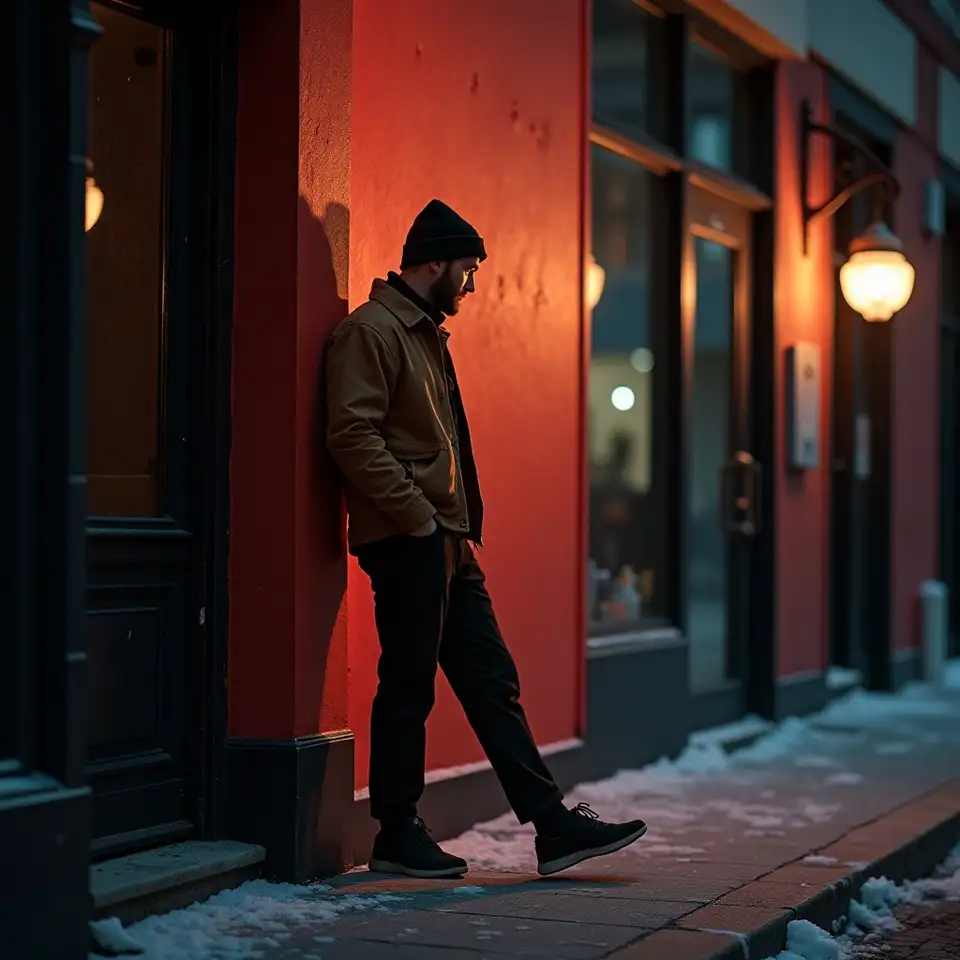
Let’s start with the definition: in photography, contrast refers to the difference between light and dark areas, colours, or textures in an image. High contrast photos have sharp differences, making subjects pop, while low contrast creates a softer, more subtle effect. I used to overlook contrast, focusing only on what was in the frame, but now I see how it shapes mood and clarity in every shot. Even simple scenes can gain impact with the right use of contrast—think of a bright subject against a dark background or bold colours side by side.
Why contrast matters for compelling images
The main problem many photographers face is flat, lifeless images. Without enough contrast, photos lack energy and don’t guide the viewer’s eye. I remember struggling with grey winter scenes in Canada—everything felt muted. The fix? Seek out or create contrast. Adjust your exposure to deepen shadows, look for patches of light, or use complementary colours for extra punch. Sometimes, contrast comes from texture—a rough wall against smooth glass, for example. Experimenting with light sources and changing your angle can reveal new opportunities to add visual interest.
Practical ways to boost contrast
Ready for practical steps? Start by reviewing your images for areas that feel bland. Try shooting at different times of day when light is more directional, like early morning or late afternoon. Use post-processing to tweak contrast gently—just enough to make the important elements stand out. Canadian photographers like Sue Holland often use winter light or strong backlighting to create dramatic effects. Remember, too much contrast can lose subtle details, so adjust with care. The goal is to highlight what matters most without overpowering the story you want to tell.