Results may vary
Creative tips only
No professional advice
Photography skills
May 27, 2026
5 мин
How to create depth in your photography: foreground, layering, and framing techniques explained
Содержание
Taylor Jensen
May 27, 2026
5
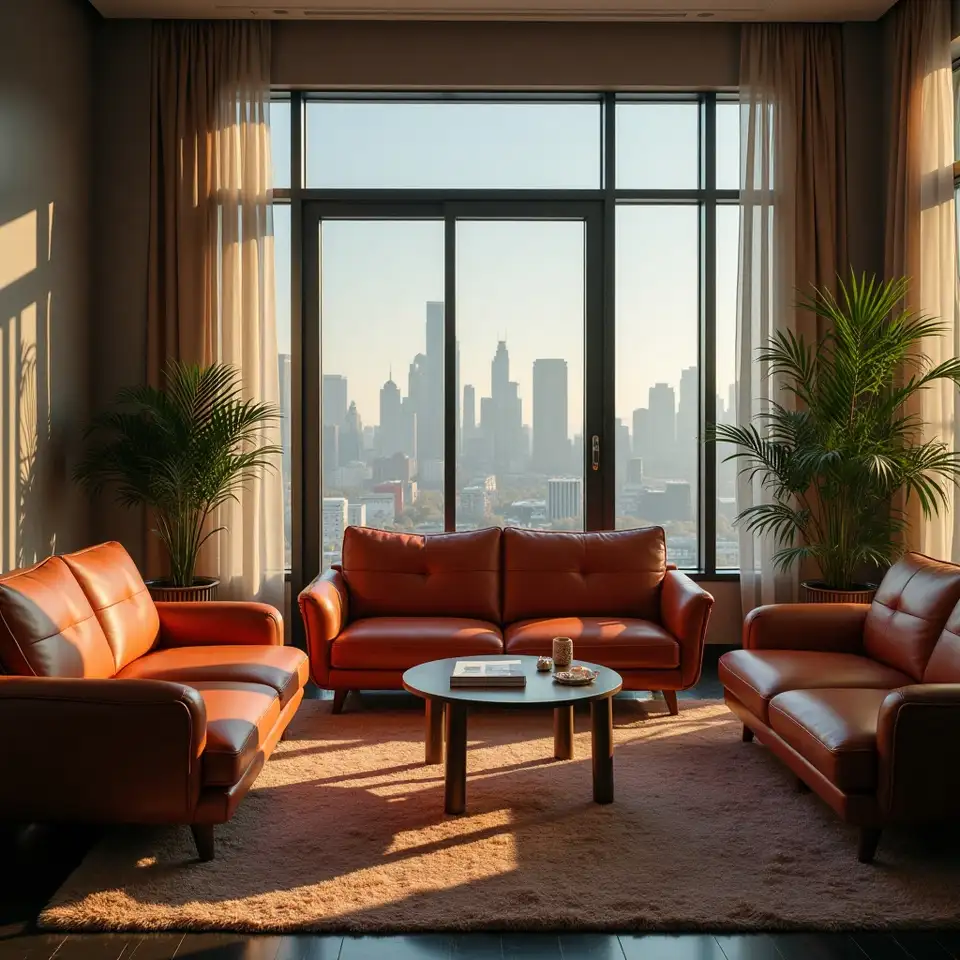
Depth in photography refers to the sense of three-dimensionality within a two-dimensional frame. When I first heard about 'adding depth,' I pictured complicated technical tricks, but it turns out the basics are simple: foreground elements, background details, and everything in between all play a role. Without depth, photos can look flat and uninviting. I used to take images where everything felt squished together, but after experimenting with foreground interest and layering, my compositions started feeling more immersive. In this guide, I’ll explore why depth matters, how to achieve it, and practical steps for making your photos stand out, whether you’re shooting Canadian landscapes or city streets.
Using foreground elements
Foreground interest is a classic way to add depth. By including something close to the lens—a rock, leaf, or even a fence—you give viewers an anchor that leads them into the scene. I learned this trick from landscape photographers who often start with a strong object in the front, then build the shot backward. Canadian vistas with wildflowers in the front and mountains in the distance are perfect examples. The foreground doesn’t have to dominate; it just needs to offer a starting point for the viewer’s journey.
Foreground draws viewers in and sets the stage for the rest of your image.
Building up layers for dimension
Layering is about having distinct visual planes—foreground, middle ground, and background. When each layer contains some detail or interest, your image feels more three-dimensional. For city scenes, think of a café table in the front, people walking mid-frame, and architecture in the back. This approach helps separate elements, avoiding that squashed look. Sometimes, a wide aperture can blur the background, while a smaller one keeps layers sharp, depending on the effect you want.
Layering adds complexity and makes images feel more lifelike.
Framing as a depth enhancer
Framing is another way to increase depth. Look for natural frames—a doorway, window, or tree branch—to surround your subject. It’s not just a compositional device; it’s a tool to guide the viewer’s gaze and emphasize distance. Expert photographers like David duChemin often suggest moving around a scene to find frames or shooting through objects for more dynamic results. I encourage experimenting with different angles and heights to see how framing changes your sense of space.
Framing elements emphasize distance and create a sense of immersion.